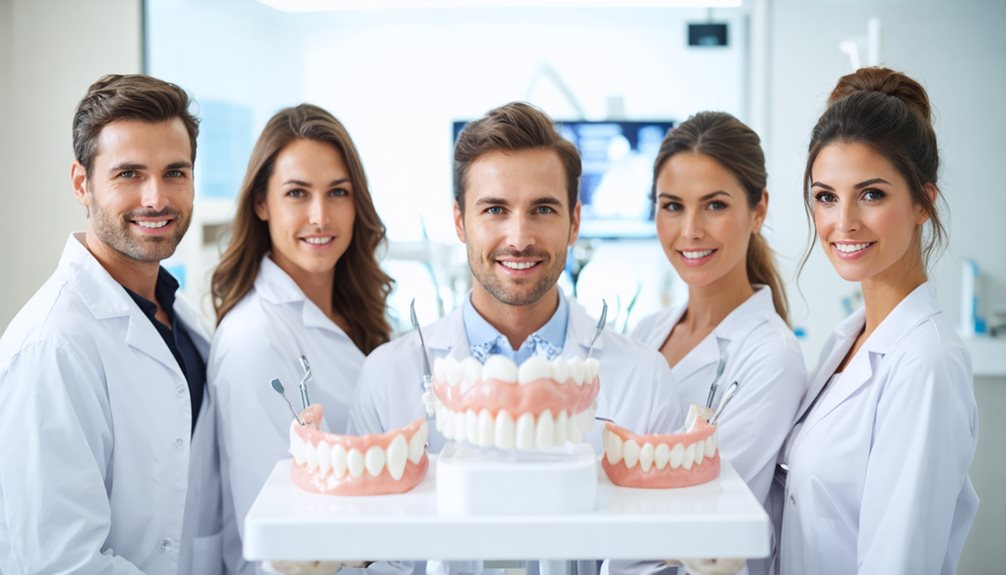
When you’re considering dental sealants, finding cost-effective options can seem overwhelming. You might wonder if your insurance covers these preventive treatments or if community health centers could offer a better deal. Dental schools, where students perform procedures under supervision, often provide affordable alternatives. While resin-based sealants might cost more upfront, their durability could save you money in the long run. Comparing prices and promotions among different providers might further stretch your dollar. But how do you navigate these choices effectively? Let’s explore the strategies that could help you make an informed decision.
Understanding Dental Sealants
Dental sealants are a critical preventive measure in oral health, particularly effective in safeguarding teeth from decay. By forming a protective shield over the enamel, sealants act as a barrier against the bacteria and acids that cause cavities. Understanding the dental sealant benefits is essential for you as it allows you to make informed decisions about your oral health. Sealants are especially beneficial for the chewing surfaces of the back teeth, where most cavities in children and adolescents are found.
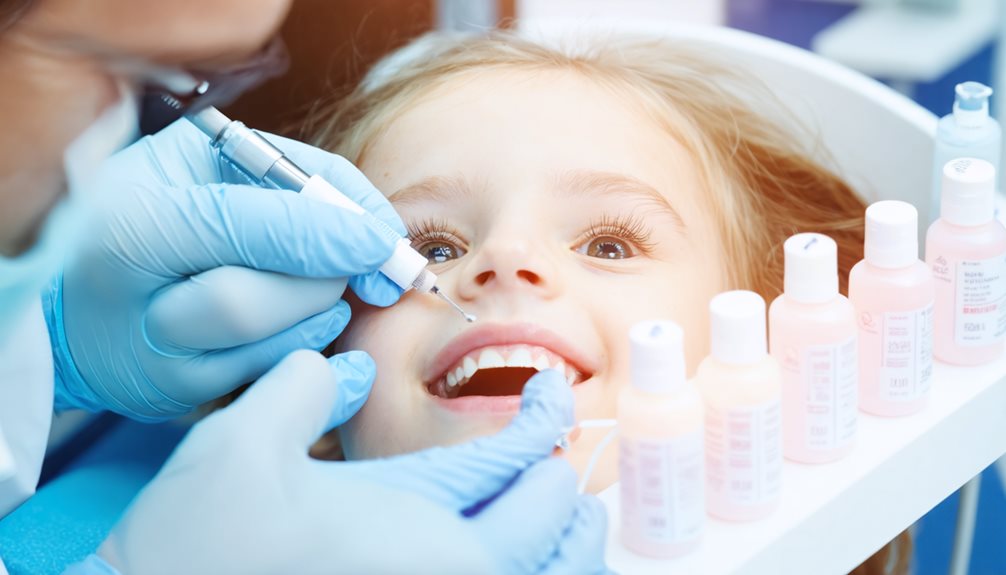
The sealant application process is straightforward and non-invasive, allowing you to gain maximum protection with minimal discomfort. Your dentist will first clean and dry the tooth before applying an acidic gel that roughens the chewing surface, which helps the sealant bond securely. After rinsing off the gel, the sealant is painted onto the tooth enamel and hardened using a special light. This process doesn’t take long, yet it provides durable protection for several years.
Finding Affordable Dental Sealant Providers
Exploring cost-effective options for dental sealant providers can markedly impact your oral health budget without compromising quality. Start by evaluating your current insurance coverage. Most dental plans offer partial or full coverage for sealants, especially for children. Contact your insurance provider to confirm the specifics, ensuring you maximize your benefits without unexpected out-of-pocket expenses.
Next, consider visiting local clinics. Community health centers often provide dental services at reduced rates, thanks to government funding or sliding scale fees based on income. These clinics maintain high standards of care, often staffed by experienced dental professionals keen to serve the community. Utilize online resources or contact your local health department to identify clinics in your area offering affordable dental sealant services.
Don’t hesitate to compare prices and services between providers. Some dental offices may offer promotional deals or discounts for new patients. Additionally, dental schools are excellent resources for affordable care. Supervised students provide treatment at considerably lower costs, ensuring you receive quality care without financial strain.
Comparing Sealant Materials and Costs
When it comes to choosing the right dental sealant material, understanding your options can lead to better decision-making and cost management. You’ll want to evaluate the sealant’s longevity and material effectiveness to guarantee you’re getting the most value. Resin-based sealants are popular due to their long-lasting nature and strong adherence, providing several years of protection. However, their application requires a dry field, which can increase chair time and consequently costs. Glass ionomer sealants, on the other hand, are beneficial in moist environments and release fluoride, which can enhance overall dental health. Yet, they may need more frequent replacement, impacting long-term costs.
In evaluating these materials, assess their effectiveness in preventing caries based on the specific needs of your teeth. Reflect on the initial costs and potential maintenance expenses over time. For instance, while resin-based sealants might initially be more costly, their durability could reduce future expenditures. Conversely, glass ionomer options may be more affordable upfront but might require more frequent applications. By weighing these factors, you can make an informed choice that aligns with both your dental health goals and financial considerations, guaranteeing you’re in control of your oral care investments.
Frequently Asked Questions
How Long Do Dental Sealants Typically Last?
Dental sealants typically last about 5 to 10 years. To maximize sealant longevity, you should follow maintenance tips like avoiding hard foods, using a soft-bristle toothbrush, and scheduling regular dental check-ups to guarantee they remain intact.
Are Dental Sealants Safe for Children?
Dental sealants are safe for children, promoting children’s oral health by preventing cavities. They provide effective protection, acting as a barrier against bacteria. You can confidently trust their sealant effectiveness to support your child’s dental well-being with minimal risks.
Can Dental Sealants Prevent All Cavities?
Dental sealants greatly boost cavity prevention, but they can’t prevent all cavities. You should maintain good dental hygiene, including regular brushing and flossing, to enhance protection and effectively manage your dental health for ideal control over cavity risks.
Do Dental Sealants Require Special Maintenance?
You don’t need special sealant maintenance, but regular check-ups guarantee long-term care. Your dentist will examine the sealant’s wear and tear, addressing any issues promptly. Daily oral hygiene practices also support the sealant’s effectiveness and durability.
Are There Any Side Effects of Dental Sealants?
When considering dental sealants, you might wonder about side effects. Sealant effectiveness is high, but potential allergies exist. Consult your dentist to assess your risk and guarantee you’re maximizing benefits while minimizing any adverse reactions.