When you think about cavity prevention, dental sealants might not be the first thing on your mind, but they should be. These thin, protective coatings applied to your molars and premolars serve as a formidable barrier against decay-causing bacteria and food particles. The process is quick, painless, and doesn’t involve any drilling or anesthesia, making it a convenient choice for both kids and adults. Plus, with the promise of long-lasting protection, dental sealants could save you from costly treatments down the line. But what makes them so effective, and who should consider getting them?
Benefits of Dental Sealants
Dental sealants offer several compelling benefits in the domain of cavity prevention. When considering the cost effectiveness, sealants present an attractive option. They serve as a proactive measure to avoid the higher expenses associated with treating cavities later. By investing in sealants, you can potentially save on more costly dental procedures, such as fillings or crowns, that might be necessary if cavities develop. This preventative approach aligns with a cost-conscious strategy, ensuring you maintain control over your dental health expenses.
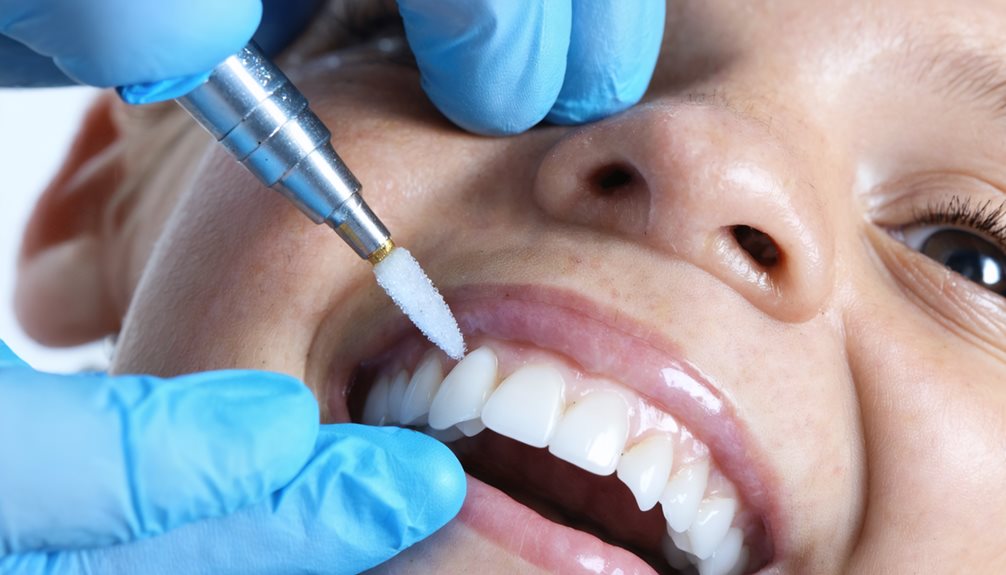
The application process of dental sealants is straightforward and efficient, making it an appealing choice for those seeking minimal disruption. A dentist or dental hygienist can apply the sealants quickly during a routine visit. They clean your teeth, apply an acidic gel to roughen the surface, rinse, and then paint the sealant onto the enamel. A curing light hardens the sealant, creating a protective shield. This process requires little time, allowing you to return to your daily activities with minimal inconvenience. By understanding the benefits and simplicity of the application process, you can make informed decisions about incorporating dental sealants into your oral health regimen.
How Sealants Prevent Cavities
When it comes to preventing cavities, sealants play an essential role by forming a protective barrier over the teeth’s surface. This barrier is vital because it shields the enamel from acid-producing bacteria and food particles that contribute to cavity formation. During the sealant application process, a thin plastic coating is expertly painted onto the chewing surfaces of your back teeth, where decay is most likely to occur. Once the sealant hardens, it becomes a durable defense against harmful elements, effectively reducing the risk of cavities.
Understanding how sealants work empowers you to make informed decisions about dental care. Here’s why sealants are effective:
- Barrier Formation: Sealants coat the tooth surface, preventing bacteria and food debris from settling in grooves.
- Smooth Surface Creation: By filling in pits and fissures, sealants make it easier to clean teeth properly.
- Long-lasting Protection: Sealants can last several years, providing extended cavity prevention.
- Quick and Painless: The sealant application process is swift and doesn’t require drilling or anesthesia.
- Cost-Effective: Investing in sealants can save you money by reducing the need for future dental work.
Sealant application offers a proactive approach to reducing cavity formation, giving you control over your oral health.
Ideal Candidates for Sealants
Not everyone is an ideal candidate for dental sealants, but understanding who benefits most can guide your decision-making. Primarily, children’s dental health greatly benefits from sealants. Young patients, particularly those aged 6 to 14, are at a higher risk for cavities due to their developing oral hygiene habits. Sealants act as a barrier, protecting the grooves and depressions in their molars and premolars, which are prone to decay. By focusing on preventive care, you can help safeguard your child’s dental future.
For adults, sealants are less common but can be advantageous for those without fillings or decay in their molars. If you’re someone who struggles with maintaining consistent oral hygiene, or if your teeth have deep fissures, you might also consider this preventive measure. It’s essential, however, to evaluate your specific dental condition with a professional who can tailor recommendations based on your oral health history.
Incorporating sealants into a preventive care routine can be a strategic move. By considering both age and dental health status, you can make informed decisions that align with maintaining control over your oral health. Always consult with your dentist to determine the best course of action.
Frequently Asked Questions
How Long Do Dental Sealants Typically Last?
Dental sealants typically last 5 to 10 years. Boost sealant longevity by avoiding hard foods and maintaining regular dental checkups. Consistent maintenance tips, like using soft-bristled brushes, guarantee they remain effective for as long as possible.
Are There Any Side Effects of Dental Sealants?
You might experience minor side effects like temporary sensitivity or discomfort after applying dental sealants. Potential risks include allergic reactions, although they’re rare. It’s essential to discuss these with your dentist to maintain control over your oral health.
Can Adults Benefit From Dental Sealants?
Yes, you can benefit from dental sealants as an adult. They enhance adult dental health by offering an effective cavity prevention technique. Sealants provide an additional protective layer, considerably reducing the risk of cavities in your molars.
How Are Dental Sealants Applied?
You guarantee ideal dental hygiene by applying sealants. A professional cleans and dries your teeth, then applies an acidic gel to create a rough surface. After rinsing, the sealant goes on, hardening under a special light.
Are Dental Sealants Covered by Insurance?
Check your dental plan to see if insurance coverage includes dental sealants. Most plans cover children, but adults may face limitations. Confirm details with your provider, ensuring you’re informed about your coverage options and potential out-of-pocket costs.