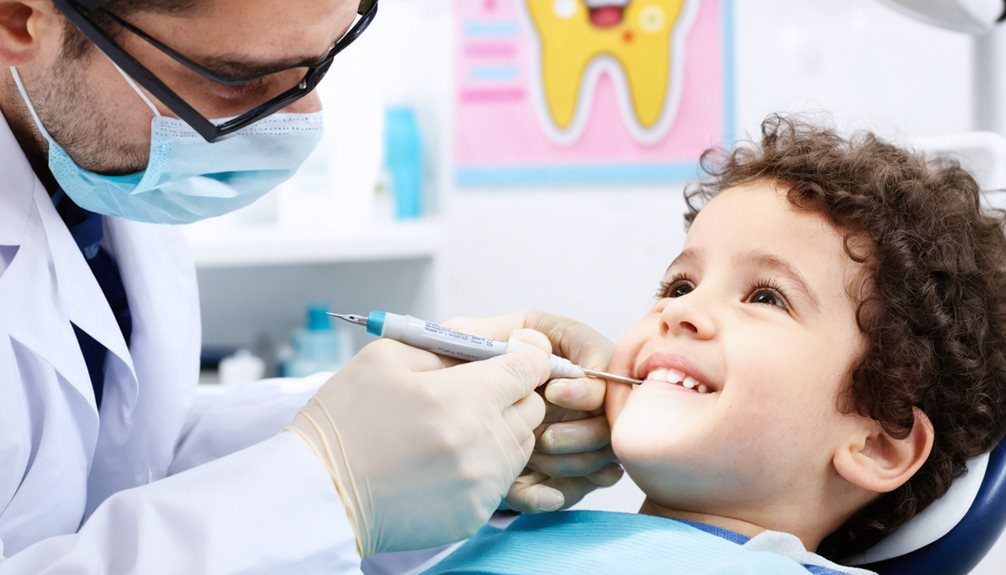
You’re probably wondering when’s the right time to think about sealants for your child’s teeth. Family dentists often recommend them as a preventative measure, especially when those first permanent molars start coming in. But why exactly are sealants so essential, and how do they work in tandem with regular dental check-ups and good oral hygiene? Understanding their role can make a significant difference in your family’s oral health. We’ll explore key insights from dentists on maximizing the benefits of sealants and what you might be missing in your current dental routine. Curious about what’s next?
Understanding Dental Sealants
When it comes to safeguarding your teeth from cavities, dental sealants serve as a protective shield, particularly for children and teens. You might wonder how these thin coatings work. During sealant application, a dentist carefully paints a clear or white resin onto the chewing surfaces of your molars and premolars. This process is quick, painless, and only takes a few minutes. The sealant then hardens, creating a barrier that prevents food particles and bacteria from settling into the grooves of your teeth, where cavities often form.
Understanding the role of dental sealants in cavity prevention is essential for maintaining control over your oral health. While regular brushing and flossing are important, sealants offer an extra layer of defense against decay. They are especially beneficial for individuals with deep grooves in their teeth, which are more susceptible to cavities. Sealants don’t replace good oral hygiene but complement it, giving you a reliable method to protect your teeth.
Benefits for Your Family
Although dental sealants are often associated with children, the benefits extend to the entire family. Sealants provide a protective barrier against harmful bacteria, promoting effective cavity prevention. They simplify oral hygiene by making it easier to clean the surfaces of your teeth, which can be particularly beneficial for both kids and adults who might struggle with reaching those tricky spots.
With sealants, you’re not just investing in your child’s dental health but also enhancing your own. Sealants can lead to:
- Reduced dental costs: By preventing cavities, you can avoid the need for costly fillings and other dental procedures.
- Time savings: Fewer dental visits for cavity treatments mean more time for you and your family to enjoy other activities.
- Improved oral health: Sealants contribute to better overall oral hygiene, protecting against decay and maintaining healthier teeth.
Taking control of your family’s dental health doesn’t have to be complicated. By considering sealants, you’re proactively preventing dental issues and ensuring a brighter smile for everyone. Enjoy the peace of mind knowing you’ve made a smart choice for your family’s future oral health.
When to Consider Sealants
Ensuring your family’s oral health is exceptional can be straightforward with the right preventive measures. Dental sealants are an effective, proactive step to protect teeth from cavities. But when should you consider sealants for your loved ones? Understanding when to apply them is significant. Typically, the ideal age to start considering sealants is when a child’s permanent molars erupt. This usually happens around ages 6 and 12. These teeth are more vulnerable to decay due to their grooved surfaces, which can trap food particles and bacteria.
You might wonder if sealants are necessary for every family member. While they’re often recommended for children and teenagers, adults can benefit too, especially if their teeth are free of decay and fillings. Consulting with your dentist will help determine the best timing for each family member. If you’re vigilant about your family’s oral hygiene and want to minimize future dental issues, sealants can be a wise investment.
Don’t hesitate to discuss sealants at your next dental visit. Being proactive about when to apply sealants can help your family maintain healthier smiles and avoid potential dental problems down the road.
Frequently Asked Questions
How Long Do Dental Sealants Typically Last?
Dental sealants typically last about 5 to 10 years. To maintain sealant effectiveness, visit your dentist regularly. You’ll guarantee sealant longevity with proper oral care and routine check-ups, giving you control over your dental health.
Are There Any Risks Associated With Dental Sealants?
When considering dental sealants, you should know they’re generally effective in preventing cavities. However, potential allergies to sealant materials might occur. Discuss concerns with your dentist to guarantee sealant effectiveness and minimize any risks.
Can Sealants Be Applied to Teeth With Existing Fillings?
Yes, you can apply sealants to teeth with existing fillings. Doing so won’t compromise sealant effectiveness. Sealants and fillings are compatible, providing an additional protective layer to prevent further decay and maintain your dental health effectively.
How Are Sealants Different From Fluoride Treatments?
Sealants protect teeth by physically covering grooves, preventing decay. Fluoride treatments strengthen tooth enamel and fight cavities chemically. Both offer benefits, but sealant benefits focus on coverage, while fluoride effectiveness relies on chemical enamel reinforcement. Choose based on needs.
Do Sealants Require Any Special Care or Maintenance?
Sealants don’t require special care, but maintain regular dental visits to guarantee sealant effectiveness. Brush and floss daily, and avoid hard foods that may damage the sealant application, keeping your teeth protected and healthy in the long run.