When you’re considering adult dental sealants, it’s essential to understand how to maximize their effectiveness. Choosing the right dentist is your first step, as their expertise can greatly influence the outcome. But selecting a qualified professional is just the beginning. You’ll also need to prepare properly and know how to maintain your sealants. These factors can make all the difference in their longevity and effectiveness. So, what exactly should you be doing before and after the application? Let’s explore each step to guarantee you’re getting the most out of your dental investment.
Choosing the Right Dentist
When selecting a dentist for your dental sealant needs, it’s crucial to take into account their expertise and qualifications, as these directly impact the quality of care you’ll receive. You’ll want to verify that the dentist holds a valid license and has specific training in preventive dentistry. Their educational background should reflect up-to-date knowledge in dental sealant application, ensuring they adhere to the latest clinical guidelines. Additionally, consider their experience; a dentist with a history of successful sealant applications can offer you greater assurance of a positive outcome.
Patient reviews are a valuable resource when evaluating potential dentists. These testimonials provide insight into the experiences of those who have received similar treatments. Look for consistent positive feedback regarding the dentist’s technical proficiency, patient communication, and overall satisfaction. A pattern of favorable reviews can indicate a reliable practitioner who prioritizes patient care.
Preparing for Sealant Application
Before the sealant application, verifying your teeth are adequately prepared is essential for maximizing the effectiveness and longevity of the treatment. Start by scheduling a thorough dental cleaning. This process removes plaque and tartar, providing a clean surface for the sealant materials to adhere effectively. Your dentist will likely use a professional scaler and polisher to achieve ideal results.
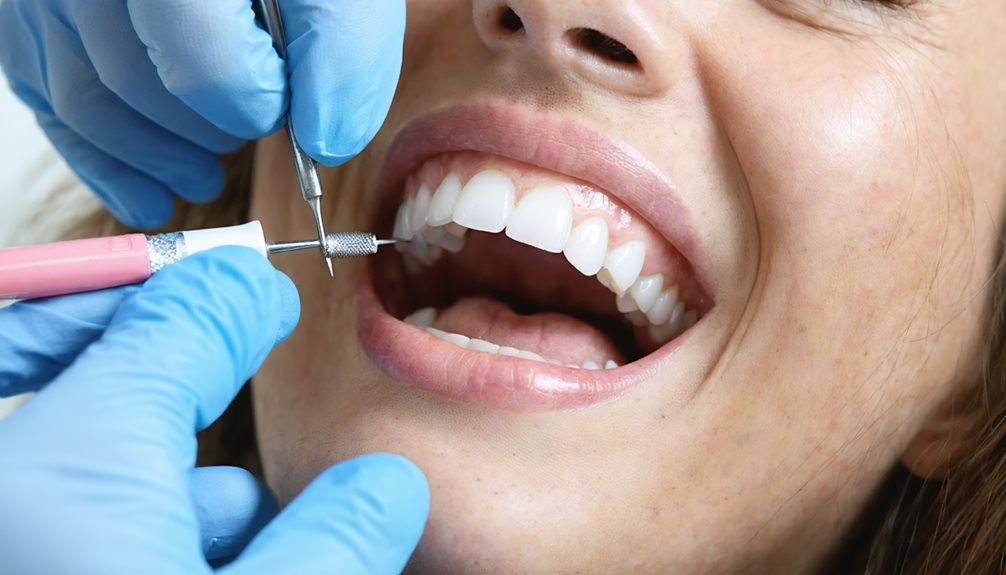
Next, discuss with your dentist the specific application techniques they will employ. Understanding these methods can give you more control over the procedure. The most common technique involves isolating the tooth, etching the enamel with a mild acidic solution, and applying the sealant with precision instruments. This verifies the material bonds effectively, creating a barrier against decay.
You should also inquire about the types of sealant materials available. Some patients prefer resin-based sealants for their durability, while others might opt for glass ionomer sealants, which release fluoride over time. Discussing these options with your dentist will help tailor the treatment to your needs.
Finally, follow any specific pre-appointment instructions from your dental professional, such as avoiding certain foods or drinks, to verify the process is smooth and your teeth remain in the best condition for sealant application.
Post-Application Care and Maintenance
After confirming your teeth are well-prepared for the sealant application, focusing on post-application care will help maintain the sealant’s effectiveness. To maximize sealant longevity, prioritize a robust oral hygiene routine. Brush your teeth at least twice daily using a fluoride toothpaste and a soft-bristled toothbrush. Pay special attention to the areas where sealants have been applied, guaranteeing thorough cleaning without excessive pressure that could compromise the sealant’s integrity.
Flossing daily is essential to remove interdental debris that brushing may miss. Consider using a water flosser for an additional level of cleanliness and to avoid potential damage to the sealant. Regular dental check-ups play a significant role in monitoring sealant condition. During these visits, your dentist will evaluate sealant adherence and make timely repairs if necessary.
Avoid hard or sticky foods that could dislodge the sealant. Chewing ice or consuming excessively sugary snacks can undermine both sealant effectiveness and overall oral health. By controlling dietary choices and maintaining consistent oral hygiene practices, you empower yourself to extend the life of your dental sealants. This proactive approach guarantees your protective investment continues to guard against cavities effectively.
Frequently Asked Questions
What Are Dental Sealants Made From?
Dental sealants are made from resin-based sealant materials that bond to your teeth’s surface. They provide sealant benefits by protecting against decay and preserving your oral health. You gain control over cavities, enhancing long-term dental wellness.
How Long Do Dental Sealants Typically Last?
Sealant longevity typically spans 5 to 10 years. For ideal durability, prioritize regular dental check-ups and proper oral hygiene. Avoid biting hard objects and consider fluoride treatments as maintenance tips to guarantee your sealants remain effective.
Can Sealants Be Applied to Teeth With Existing Fillings?
You can apply sealants to teeth with existing fillings, but make certain the sealant application doesn’t interfere with the restoration’s integrity. Consult your dentist to evaluate compatibility and maintain peak oral health by protecting your teeth efficiently.
Are There Any Dietary Restrictions After Getting Dental Sealants?
When considering dietary guidelines post-sealant application, you don’t need major restrictions. However, avoid sticky or hard food choices that might compromise the sealant’s integrity. Maintain a balanced diet to support overall oral health effectively.
Do Dental Sealants Change the Appearance of Teeth?
You might worry about sealant visibility, but dental sealants are typically clear or tooth-colored, minimizing aesthetic concerns. They’re designed to blend seamlessly with your natural teeth, addressing potential cosmetic issues while enhancing your dental health.