When you think about emergency dental sealant services, it’s crucial to evaluate how they can protect your teeth when time is of the essence. Sealants act as a barrier against decay, especially in those hard-to-reach spots on your molars. But why choose these services in an emergency? It might seem like a rushed decision, yet opting for immediate protection can save you from more costly and invasive treatments later. Curious about how to guarantee you’re making the right choice in a dental pinch? Let’s explore the critical steps and benefits together.
Benefits of Immediate Sealant Care
For individuals seeking to safeguard their dental health, immediate sealant care provides considerable advantages. Utilizing dental sealants as a prevention strategy can effectively protect your teeth from potential decay. A sealant acts as a physical barrier, covering the enamel’s pits and fissures, thereby preventing bacteria and food particles from initiating the decay process. This intervention is particularly beneficial for molars, which are prone to cavities due to their intricate surfaces. Proactive application of sealants can considerably reduce the incidence of cavities, maintaining the structural integrity of your teeth.
From a cost effectiveness perspective, immediate sealant care offers long-term financial benefits. The initial investment in sealants is relatively modest when compared to the potential costs associated with treating dental caries, such as fillings, crowns, or root canals. By preventing decay at an early stage, you can avoid more invasive and expensive dental procedures in the future. Immediate application of sealants is an efficient and economical choice that supports ideal oral health management. Implementing this preventive measure not only enhances your dental health but also guarantees you maintain control over your dental care expenditures, aligning with a prudent approach to oral health maintenance.
Choosing the Right Dental Professional
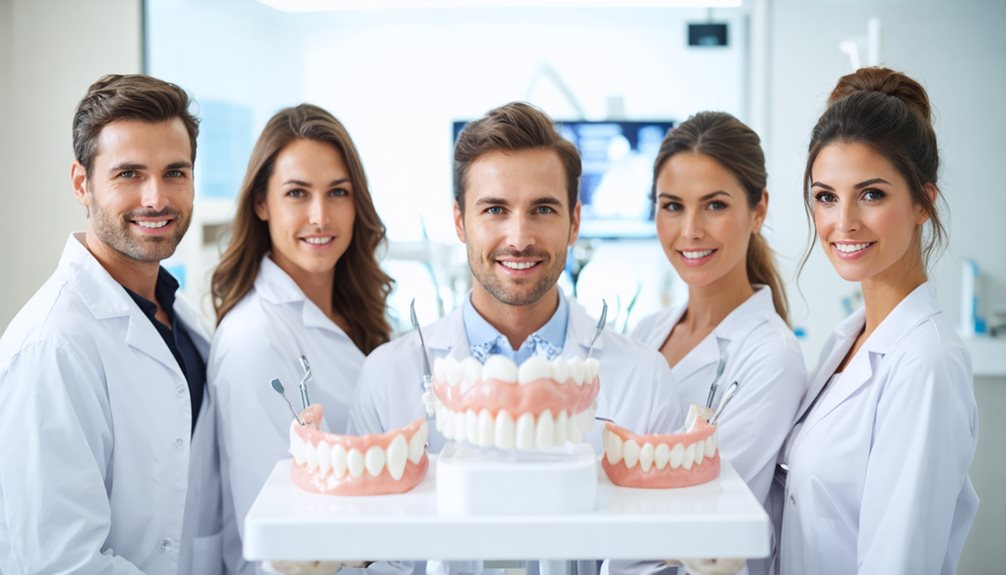
While immediate sealant care offers considerable benefits, selecting the right dental professional guarantees these benefits are fully realized. To guarantee ideal outcomes, start by conducting thorough credentials verification. Verify that the dentist holds a valid license and has specialized training in emergency dental procedures. This step assures you of the dentist’s capability to handle urgent situations with expertise and precision.
Equally important is evaluating patient testimonials. These firsthand accounts offer invaluable insights into the dentist’s proficiency, bedside manner, and reliability. Look for patterns in feedback, noting any recurring positive or negative comments. This information empowers you to make an informed decision, aligning your expectations with real patient experiences.
Additionally, consider the dental practice’s technological capabilities. A facility equipped with advanced tools can enhance the efficiency and effectiveness of sealant application. Inquire about their use of contemporary dental technologies, as these can greatly impact treatment quality.
Long-Term Oral Health Advantages
Leveraging emergency dental sealant services provides considerable long-term oral health advantages. By integrating preventive dentistry into your oral care routine, you can effectively shield your teeth from decay. Dental sealants act as a barrier against cavity-causing bacteria and food particles, greatly reducing the risk of decay on the occlusal surfaces of the teeth. This proactive approach guarantees the structural integrity of your teeth remains uncompromised.
Emergency dental sealants offer immediate protection, which is particularly vital if you’ve recently noticed signs of enamel deterioration. Applying sealants promptly can halt the progression of decay and preserve tooth structure. This is where cavity prevention becomes essential. Sealants are designed to fill the grooves and pits of molars and premolars, areas most susceptible to cavities. By opting for these services, you guarantee that your teeth benefit from the highest level of preventive care.
Incorporating sealants into your dental strategy empowers you to maintain control over your oral health. Beyond immediate benefits, the long-term advantages include fewer dental interventions, cost savings on extensive treatments, and the preservation of your natural teeth. Fundamentally, emergency dental sealants serve as a cornerstone of a robust preventive dentistry regimen.
Frequently Asked Questions
What Exactly Is an Emergency Dental Sealant?
An emergency dental sealant is a protective coating applied to your teeth’s surface, offering immediate sealant benefits by preventing dental decay. It acts as a barrier, controlling bacteria, and safeguarding against cavities, ensuring your oral health remains ideal.
How Long Does the Sealant Application Process Take?
The sealant application process typically takes about 30 minutes. You’ll experience sealant benefits through protective barriers against decay. Application steps include cleaning the tooth, applying the sealant, and curing it under a light, ensuring immediate protection.
Are Emergency Sealant Services Covered by Insurance?
You should verify your insurance plan’s dental benefits to determine if emergency sealant services are covered. Policies vary widely; some may offer insurance coverage for preventive treatments, while others might not include this specific dental procedure.
Can Children Receive Emergency Dental Sealants?
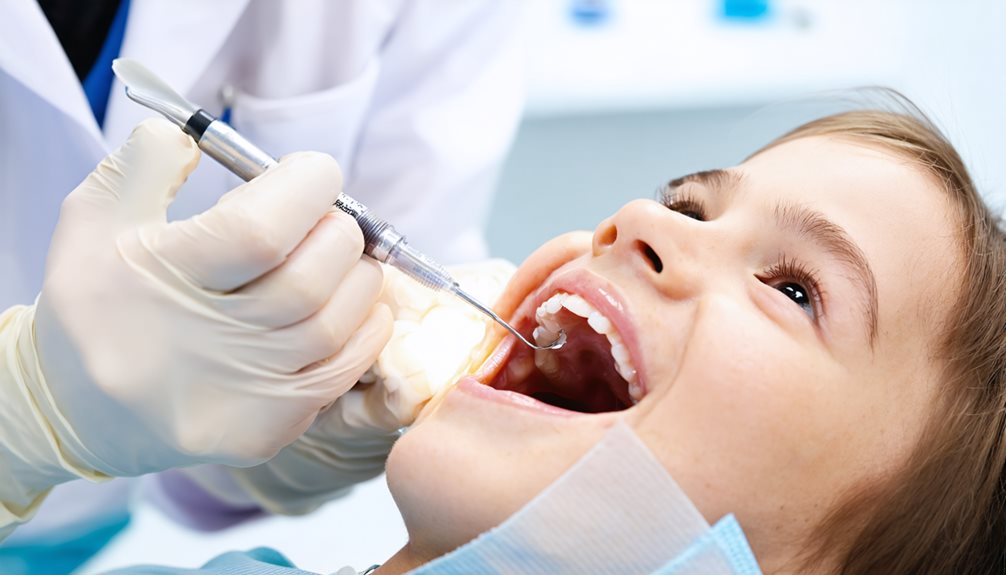
Yes, children can receive emergency dental sealants. In pediatric dentistry, sealants are essential for child dental care, providing immediate protection for vulnerable teeth. Make certain your dentist offers this service to maintain control over your child’s oral health.
What Materials Are Used in Dental Sealants?
You’ll find that dental sealants typically use resin-based or glass ionomer materials. Application techniques involve cleaning the tooth surface, followed by etching, rinsing, drying, and curing the sealant. Understanding sealant types empowers you to make informed decisions.