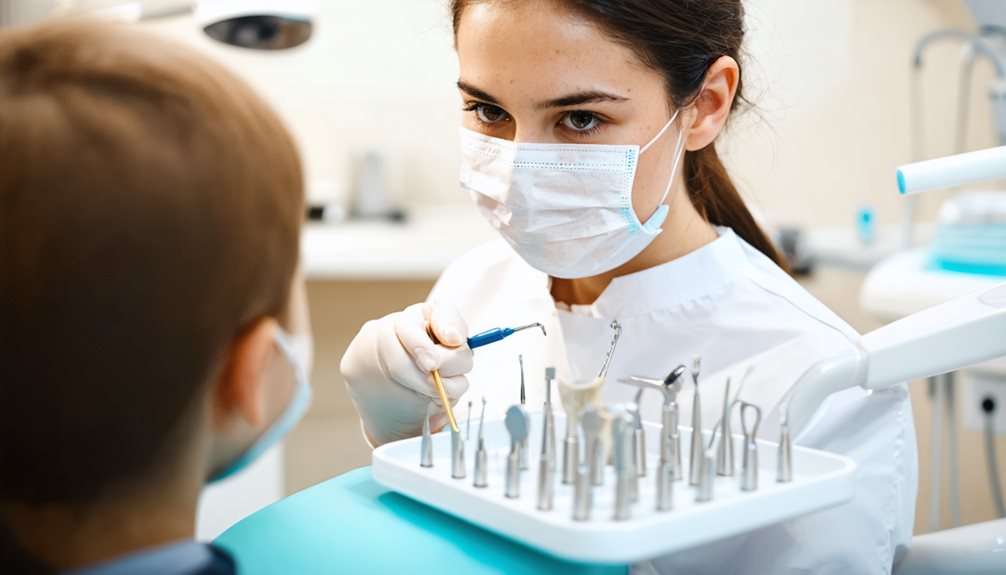
When you’re on the hunt for the right sealant dentist, a few key tips can make all the difference. It’s essential to start with checking their credentials and experience, ensuring they have the necessary licensure and a solid background in preventative care. But credentials aren’t everything. You should also take a look at patient reviews on various platforms for a full picture of their procedures. And while location and accessibility might seem minor, they can greatly impact your visits. Now, let’s explore how technology, techniques, and costs play into your decision.
Check Credentials and Experience
When you’re choosing a dentist for sealant application, checking credentials and experience is vital. You want a professional who has undergone proper training and holds the necessary certifications. Start by verifying the dentist’s credentials through reliable sources like state dental boards or professional organizations. This process guarantees the dentist’s compliance with industry standards and legal requirements. It’s important to confirm that they maintain current licensure, as this indicates their commitment to continuous education and adherence to evolving dental practices.
Professional experience is another significant factor. A dentist with substantial experience in sealant application will likely possess refined skills and a deeper understanding of patient needs. Ask about the number of sealant procedures they’ve performed and the range of cases they’ve encountered. Experienced dentists are often more adept at identifying potential complications and tailoring their approach to suit individual circumstances.
Additionally, consider inquiring about any specialized training or certifications in preventative dentistry. Such qualifications can indicate a dentist’s dedication to minimizing dental caries through effective sealant use. By meticulously checking credentials and professional experience, you guarantee you’re entrusting your dental care to a skilled and reliable practitioner, giving you greater control over your oral health outcomes.
Evaluate Patient Reviews
To evaluate patient reviews effectively, leverage multiple online platforms where reviews are aggregated, such as Google, Yelp, or health-specific sites like Healthgrades. Begin by examining the overall rating to gauge patient satisfaction, but don’t stop there. Explore individual reviews to assess comments on treatment outcomes, communication style, and the dentist’s attention to detail. Look for recurring themes, whether positive or negative, as they often offer insight into the dental practice’s consistent strengths or weaknesses.
Focus on reviews that discuss specific experiences with sealant procedures. Pay attention to mentions of the dentist explaining the procedure and its benefits thoroughly, as this indicates a commitment to patient education and empowerment. Detailed reviews that mention the longevity and effectiveness of the sealants can provide a clearer picture of treatment outcomes.
Be mindful of the date of each review, prioritizing recent feedback for the most current insights. Filter out reviews that seem overly generalized or lack specifics. This approach helps you discern the authentic experiences of patients. By carefully analyzing these reviews, you gain control over your decision, ensuring the sealant dentist you choose aligns with your expectations for patient satisfaction and successful treatment outcomes.
Consider Location and Accessibility
A dentist’s proximity to your home or workplace greatly impacts the convenience of attending appointments and maintaining regular visits. To guarantee ease of access, select a sealant dentist located within a reasonable distance from either location. This proximity reduces travel time and enhances your ability to adhere to scheduled visits, ultimately promoting consistent dental care. Evaluate the transportation options available, such as public transit routes or parking facilities, which facilitate straightforward access to the dental office.
Consider the dentist’s office hours and how they align with your schedule. Flexible office hours, including early mornings, evenings, or weekends, offer greater adaptability to your personal and professional commitments. This flexibility empowers you to manage your time effectively, guaranteeing dental appointments integrate seamlessly into your routine without unnecessary disruption.
Additionally, assess the accessibility features of the dental office itself. Factors such as wheelchair access, elevator availability, and clear signage contribute to a patient-friendly environment. These features are vital if you or family members have specific accessibility needs. By taking the time to evaluate location and accessibility, you guarantee a practical and patient-centered approach to your dental care, aligning with your desire for control and convenience.
Assess Technology and Techniques
While location and accessibility play a significant role in your dental care experience, the technology and techniques employed by your sealant dentist are equally important. You want to guarantee that your dentist utilizes cutting-edge tools and methods that enhance both the effectiveness and comfort of your treatment. Digital advancements in dental care have revolutionized how sealants are applied. Dentists who employ state-of-the-art equipment can offer you more precise and efficient treatments.
When evaluating potential dentists, consider the following:
- Digital Imaging: Does the dentist use digital X-rays or intraoral cameras for a more accurate assessment of your dental needs?
- Innovative Materials: Are they using the latest materials for sealants that provide enhanced durability and protection?
- Laser Technology: Is there an option for laser treatments, which can reduce discomfort and speed up recovery?
- Continuous Education: Does the dentist regularly update their knowledge and skills to stay aligned with the latest dental advancements?
Compare Costs and Insurance Options
Financial planning plays an essential role in your dental care journey, particularly when it comes to sealant treatments. To make informed decisions, you’ll need to meticulously compare treatment costs and understand your insurance coverage. Start by requesting detailed cost estimates from potential dentists. This will help you break down each component of the treatment, guaranteeing you’re not caught off guard by hidden fees.
Next, evaluate your insurance coverage. Contact your provider to verify if sealant treatments are included in your policy. Not all plans cover preventive treatments, so it’s vital to confirm any co-pays, deductibles, or out-of-pocket expenses beforehand. Consider asking the dental office if they can provide assistance in filing claims or if they offer flexible payment plans to ease financial burdens.
Additionally, inquire about any discounts for upfront payments or bundled services that could reduce treatment costs. By understanding these financial aspects, you can strategically manage your dental care expenses. This proactive approach not only guarantees transparency but also empowers you to make choices that align with your budget and insurance benefits. Through diligent planning, you’ll maintain control over your dental health investments.
Frequently Asked Questions
What Types of Sealants Are Available and Which Is Best for My Needs?
You’ve got resin-based sealants and glass ionomer sealants to evaluate. Resin-based options are durable and effective for non-wet surfaces, while glass ionomer sealants release fluoride, benefiting moist areas. Assess your dental environment to choose appropriately.
How Long Does the Sealant Procedure Typically Take?
You’ll find the sealant procedure typically takes about 30 to 60 minutes, depending on sealant duration and procedure efficiency. Rest assured, it’s designed to be quick yet thorough, ensuring excellent protection while respecting your time.
Are There Any Potential Side Effects or Risks With Dental Sealants?
When considering sealant application, understand it’s a safe procedure with minimal risks. Rarely, patients might experience allergic reactions. Sealants are essential in cavity prevention, but they can occasionally chip or wear, requiring monitoring during dental check-ups.
How Often Should Sealants Be Reapplied or Checked for Effectiveness?
You should check sealants every six months during dental visits to guarantee sealant longevity and effectiveness. Reapply as advised by your dentist, typically every 3 to 5 years, depending on wear and individual needs.
Can Children and Adults Both Benefit From Dental Sealants?
You and your children can benefit from sealants, as they provide a protective barrier against decay, enhancing dental health. Sealant benefits include long-lasting protection and prevention, greatly reducing cavity risk for both adults and children.